
Where does runoff go now?
Standing water, erosion, and a slope toward the structure are not finish-grade details. They influence how the entire site should be shaped.
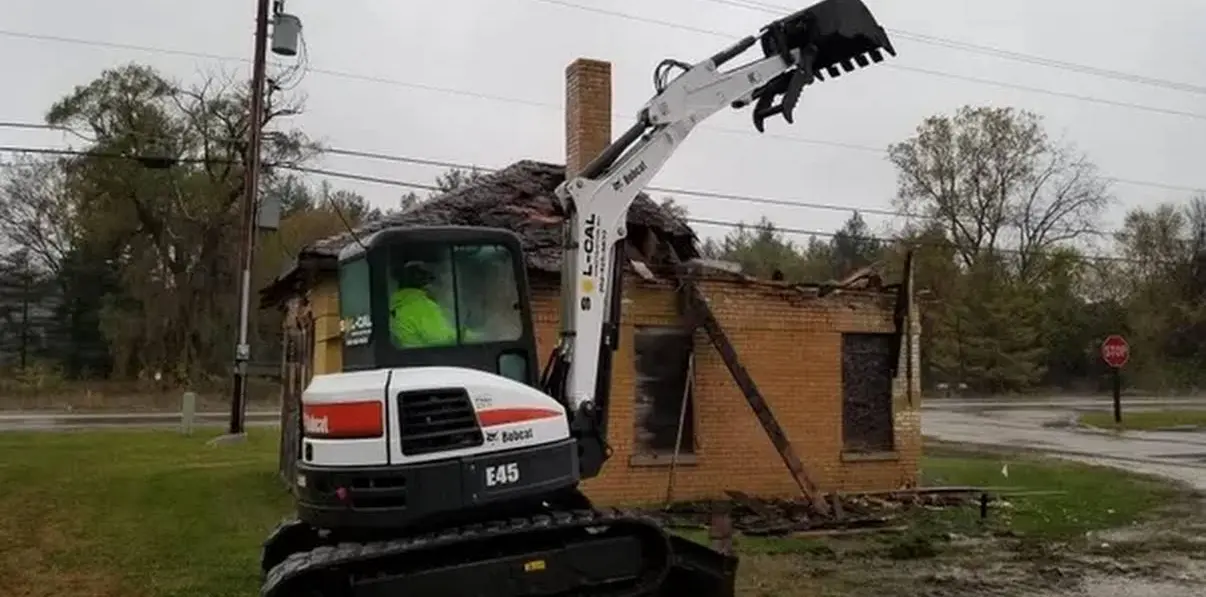
Excavation contractor · Site preparation & grading
Clear the site, establish the grade, prepare the base, manage material, and leave the next trade a site that is actually ready.
Standing water, erosion, and a slope toward the structure are not finish-grade details. They influence how the entire site should be shaped.
Gate width, overhead lines, neighboring structures, pavement, soft ground, and the route for trucks all affect equipment and sequence.
A driveway, slab, foundation, or building pad needs preparation matched to the planned use and conditions found at that parcel.
Before the machine moves
Excavation is not simply digging to a dimension. Sol-Cal reviews the work area and the next construction phase so material is not moved twice and completed work is not disturbed later.
See Sol-Cal equipment at workProperty information, known easements, proposed limits, and public utility markings must be addressed before digging. Illinois owners can start with JULIE; Wisconsin projects use Diggers Hotline.
Decide what can stay, what must be exported, what needs imported fill or base, and where trucks can safely load.
Finished elevations need a practical outlet. Grading should work with downspouts, pavement, foundations, neighboring grades, and local requirements.
Concrete preparation, foundation excavation, and building pads each require a different final condition.
One connected sequence
Removing an existing structure first? Start with demolition and debris removal. Planning a garage or workshop? See how the ground work connects to accessory structures.
Site information to gather
Questions before an estimate
Access, utilities, soil, drainage, hauling, and permit responsibilities are property-specific. Sol-Cal confirms the workable scope instead of assuming every site behaves the same.
Ask about your propertyExcavation removes or relocates soil to create space, depth, trenches, or a building area. Grading shapes the surface to establish elevations, access, and water movement. Many projects require both, but the order and amount of work depend on what will be built and the condition of the site.
It may, but the water source and a lawful, workable outlet must be understood first. Sol-Cal can review the visible grade, low areas, soil conditions, foundation relationship, and planned use of the property. Some situations may require drainage components in addition to reshaping the site.
Known utilities must be identified before digging, and public and privately owned lines may require different locating steps. The property owner should also disclose wells, septic components, irrigation, invisible fencing, or other private systems. Utility-location and permit responsibilities are confirmed for the specific project before work begins.
The required access depends on the machine, depth, volume of material, and surrounding property. Gate width, slopes, soft ground, overhead lines, trees, fences, neighboring improvements, and the route for trucks or removed material all matter. Photos help, but restricted sites often need an in-person review.
Usable material may sometimes be reshaped or stored on the property; unsuitable or excess material may need to be removed. Soil type, contamination concerns, available space, haul access, and the next construction phase affect that decision. The estimate should state what stays, what moves, and what leaves the site.
Yes, when the scope calls for both. Coordinating excavation, base preparation, drainage considerations, and concrete reduces uncertainty between phases. It also allows the site to be prepared around the actual driveway, slab, patio, foundation, or other improvement that will follow.
Depth and square footage do not reveal access, elevation changes, soil and water conditions, utility conflicts, material-handling needs, or nearby structures. A site visit lets Sol-Cal see the constraints that affect equipment selection, sequencing, and the condition in which the area should be left.
Share the location, planned use, access points, drainage concern, and current photos.